
Background and motivation
Currently, glaciers (here defined as all glaciers other than the ice sheets) are significant contributors to sea-level rise, with current rates similar to those of the Greenland ice sheet. Projections indicate that glaciers will continue to lose mass and contribute to sea-level rise throughout the 21st century. Glaciers are also important regulators of seasonal water availability in many regions, and may cause geohazards. Hence, it is essential to develop accurate predictive tools of the glaciers’ response to climate change suitable for regional to global scales.
Goals and Objectives
The overall goal of GlacierMIP is to provide a framework for a coordinated intercomparison of global-scale glacier mass change models to foster model improvements and reduce uncertainties in global glacier projections.
The specific objectives are:
Our goals will be achieved by establishing community-based standardized experiment designs, forcing data, and deliverable output variables, as well as the defining of deadlines, milestones and deliverables.

Collaboration
We work closely with other internationally coordinated activities and organizations such as the Ice Sheet Model Intercomparison Project for CMIP7/6, ISMIP7/6, to ensure our data outputs follow shared standards, or several IACS Working Groups focused on glacier inventory and mass balance data to ensure that necessary data for initial boundary conditions of the experiments are available.
GlacierMIP Phases
GlacierMIP was started in February 2015. The first two phases focused on model intercomparison of century-scale global projections (Hock et al. 2019, Marzeion et al. 2020), while the third phase focused on millenium-scale committed glacier mass losses for various stable climate scenarios (Zekollari and Schuster et al 2025). Details and simulation protocols are detailed here.
GlacierMIP4: Get Involved
Currently, the fourth phase of GlacierMIP (GlacierMIP4) is underway focusing on projection of glacier changes based on the latest generation of climatic projections (CMIP6 and CMIP7). An open call for participation was announced on Cryolist in summer 2025.
Participants will be expected to:
All details about GlacierMIP4, including the protocol for the model experiments, are available here.
A project meeting was held at the Global Glacier Modelling Workshop in Obergurgl, Austria, 24-28 August 2026.
For more information, please contact the GlacierMIP co-chairs: Regine Hock (regine.hock@geo.uio.no) and David Rounce (drounce@cmu.edu).
AVAILABLE NOW: GlacierMIP4 Experimental Protocol

MEDIA SPOTLIGHT @ CliC OSC: The climate scientist who wants to give you hope
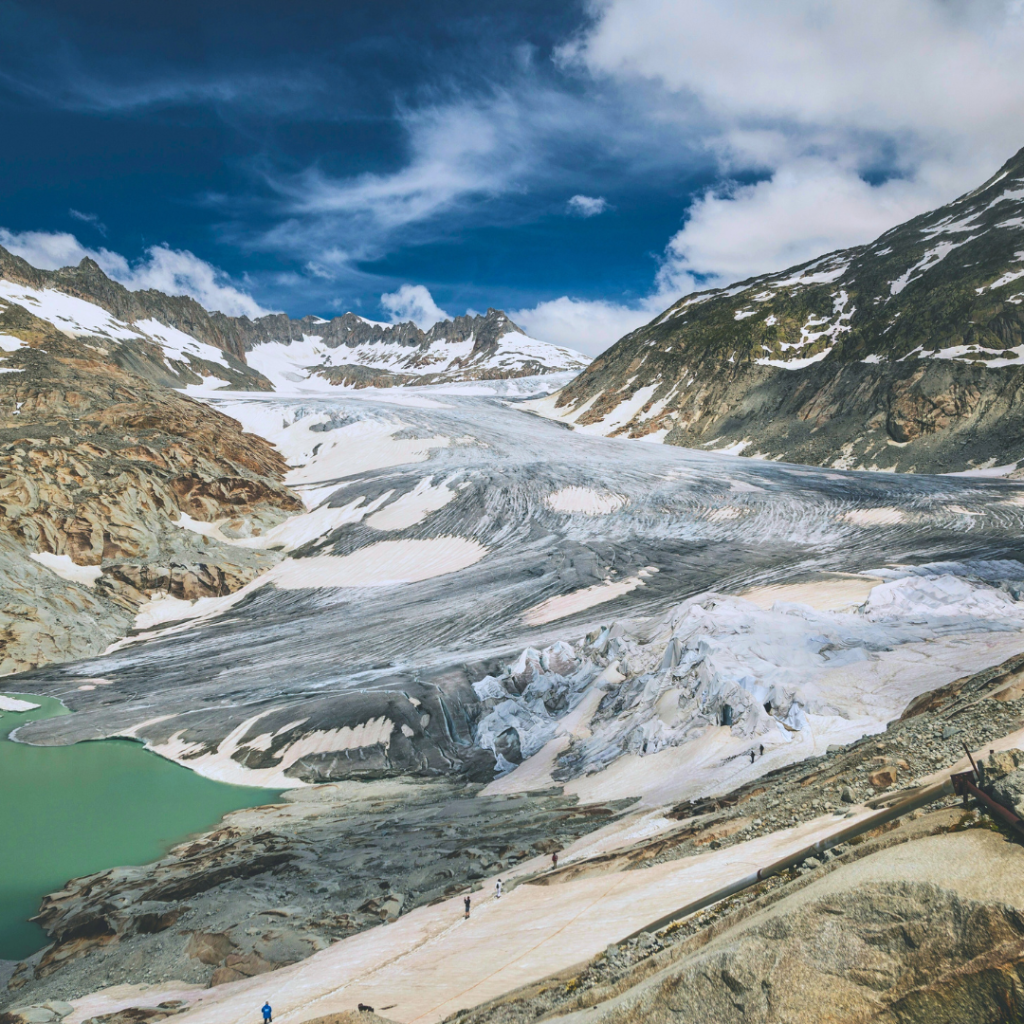
NEW STUDY: Glacier preservation doubled by limiting warming to 1.5°C versus 2.7°C
GlacierMIP Annual Meeting Minutes
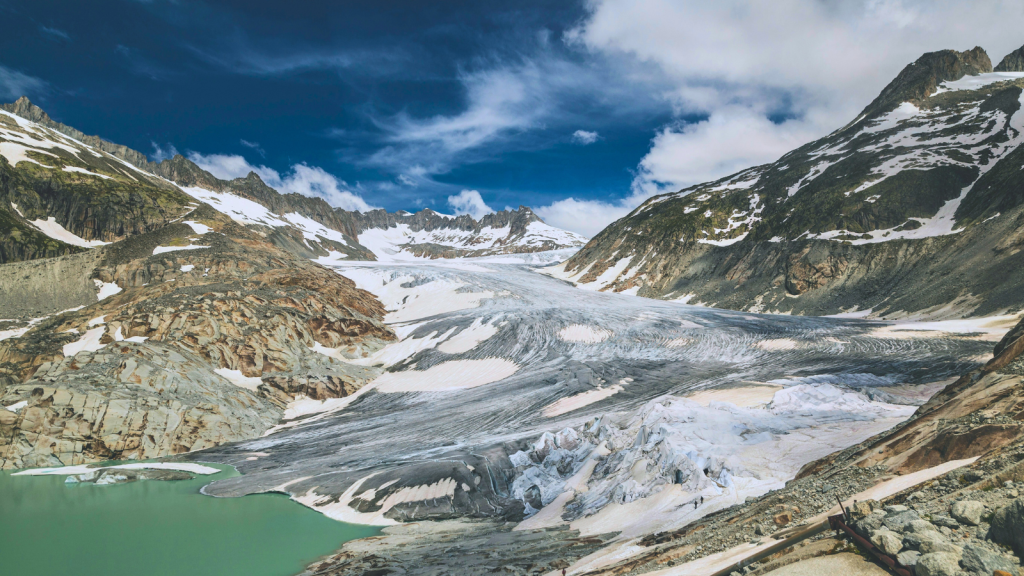
Glacier preservation doubled by limiting warming to 1.5°C versus 2.7°C
Authors: Harry Zekollari, Lilian Schuster, Fabien Maussion, Regine Hock, Ben Marzeion, David R. Rounce, Loris…